


One of the first questions clients ask when planning an event isn’t about florals or catering or even the venue.
It’s usually something simpler:
“How much help do we actually need?”
Because whether you’re hosting a corporate gathering, nonprofit fundraiser, or a meaningful social celebration, the truth is the same — planning an event involves far more moving pieces than most people expect.
Timelines. Vendors. Rentals. Guest experience. Setup schedules. Last-minute changes.
And suddenly what started as an exciting idea feels like a full-time job.
That’s where professional planning support makes all the difference.
Not because you can’t do it yourself — but because you probably don’t want to manage every detail while also trying to show up fully for your guests.
Understanding the difference between full-service planning and partial planning helps you choose the kind of experience you actually want.
What full-service event planning really feels like

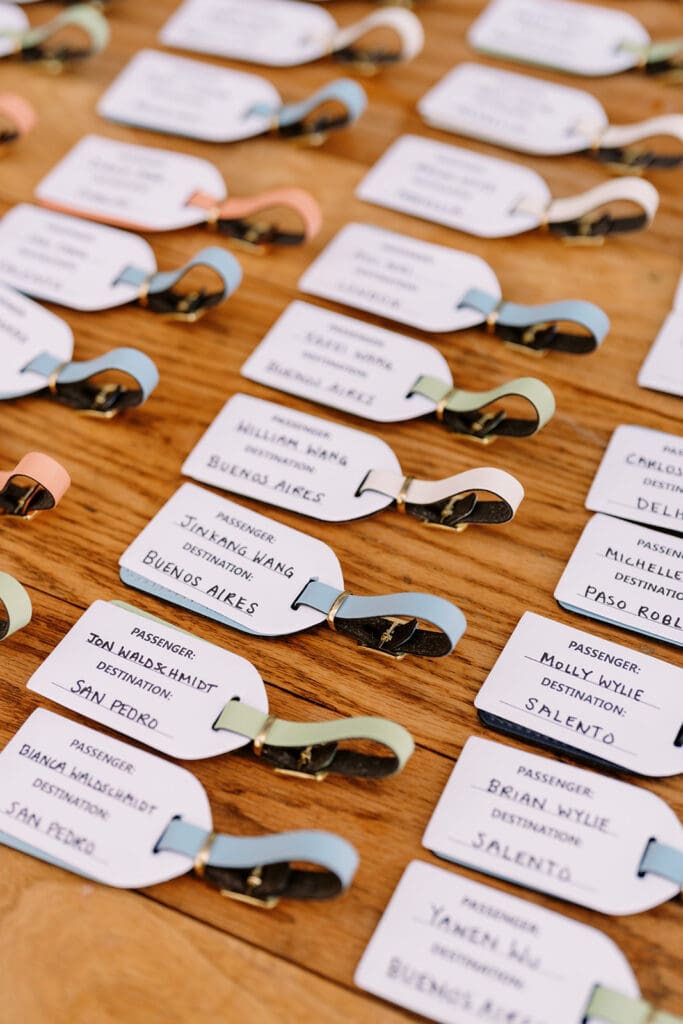
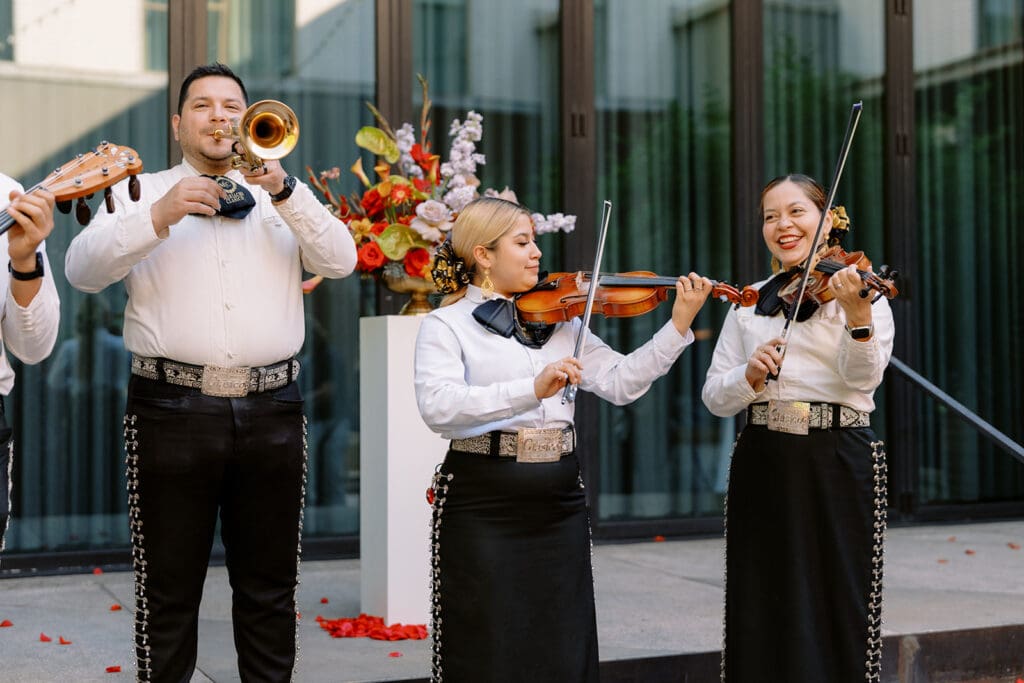




Full-service planning is about having a partner from the very beginning.
Someone who helps you shape the vision, refine the purpose of the event, and think through every detail before it ever becomes stressful.
From the earliest conversations, your planner is there to guide decisions — sourcing venues, recommending trusted vendors, creating timelines, managing budgets, and designing an experience that feels cohesive and intentional.
Instead of coordinating ten different people, you have one point of contact.
Instead of wondering if something is falling through the cracks, you know it’s handled.
This level of support is especially helpful for:
– multi-day corporate events or retreats
– nonprofit galas and fundraisers with lots of moving parts
– milestone celebrations or large social gatherings
– or anyone balancing a demanding schedule alongside planning
It allows you to stay focused on the purpose of the event — your guests, your team, your cause — while everything behind the scenes runs seamlessly.
For many clients, full planning isn’t about doing less.
It’s about feeling calmer, more confident, and actually present.
What partial planning looks like
Partial planning offers a different kind of support.
Maybe you’ve already secured your venue. Maybe you’ve booked catering or started outlining the flow of the evening. You’re excited about the process and happy to be hands-on — you just don’t want to carry everything alone.
That’s where a planner steps in to refine what you’ve started.
They help organize logistics, tighten timelines, coordinate vendors, and make sure every piece works together smoothly. As the event approaches, they take over communication and on-site management so you’re not answering calls or solving problems in the middle of your own celebration.
It’s guidance where you need it most — without starting from scratch.
For smaller gatherings or teams that already have some internal support, partial planning often feels like the perfect balance.
How to choose what’s right for you
The decision usually comes down to three simple things: time, complexity, and mental bandwidth.
If your event has multiple layers, a larger guest list, or you simply don’t have the space in your schedule to manage dozens of details, full-service planning can feel like a relief.
If you enjoy being involved and already have a few pieces in place but want professional oversight and execution, partial planning might be exactly enough.
There’s no “better” option — just the one that lets you breathe easier.
The common goal: being present
No one wants to spend their event checking timelines or tracking down vendors.
You should be welcoming guests, celebrating milestones, connecting with your community, or soaking in the moment you worked so hard to create.
The right level of planning support makes that possible.
Because at the end of the day, whether it’s a corporate event in Austin, a nonprofit fundraiser in New England, or an intimate social gathering with the people you love most, your role isn’t to manage the logistics.
It’s to experience it.
And that’s always worth planning for.


Be the first to comment